Stolen remains returned after centuries abroad
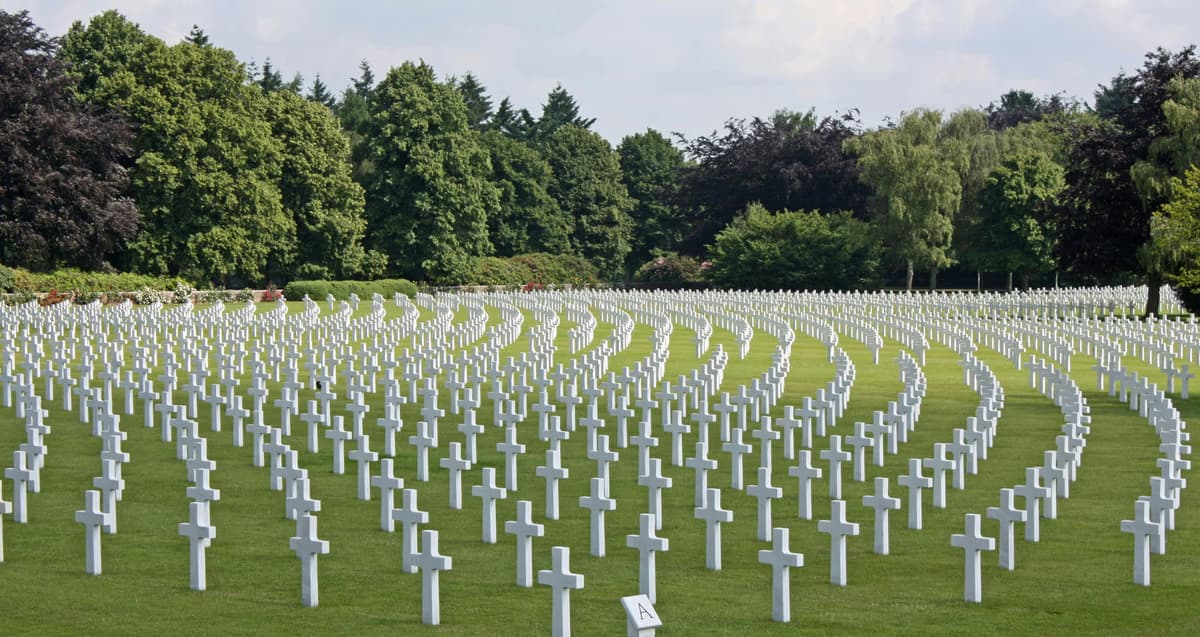
President Cyril Ramaphosa is set to preside over a deeply symbolic ceremony on Monday, 23 March 2026, as the remains of 63 Khoi-San ancestors are laid to rest at the Kinderlê Monument in Steinkopf, Northern Cape. The reburial follows years of painstaking repatriation efforts that saw the remains brought back from European museum collections where they had been housed for well over a century.
The 63 individuals represent only a fraction of the thousands of indigenous people whose remains were illegally exhumed from their graves during the late 1800s and early 1900s. Once removed, the remains were either sold or gifted to newly founded museums and academic institutions across Europe, where they were subjected to race-based scientific study.
"For the Khoi-San people, these violations did not begin in the modern apartheid era but date back centuries with colonial conquest, land dispossession, cultural erasure, removal, race-based scientific research, and the exploitation of ancestral remains."
The complex process of bringing these ancestors home has been a collaborative undertaking between the Department of Sport, Arts and Culture and its affiliated bodies, the South African Heritage Resources Agency and Iziko Museums. Cultural protocols and direction throughout the process have been overseen by the Northern Cape Task Team, which draws representatives from various Khoi and San cultural groupings.
The ceremony carries particular weight as it falls during Human Rights Month, a period dedicated to reflecting on the country's history of dispossession, violence and the systematic denial of human dignity. The repatriation programme forms part of a wider national pledge to ensure that those who suffered in the struggle for liberation are honoured and returned to their ancestral land with the respect they are owed.
Traditional leaders given stronger role in governance
The reburial also comes in the wake of renewed commitments from President Ramaphosa regarding the role of Khoi-San leadership in government structures. Responding to oral questions in the National Assembly on Thursday, 12 March 2026, the President affirmed that traditional and Khoi-San leaders are formally acknowledged as essential governance partners under the District Development Model.
He outlined the legal architecture underpinning their involvement, noting that the Traditional and Khoi-San Leadership Act empowers traditional councils to assist municipalities in pinpointing community needs. The Municipal Systems Act compels local authorities to engage traditional leaders when drawing up Integrated Development Plans, while the Municipal Structures Act grants recognised senior traditional and Khoi-San leaders the right to sit on municipal councils in an ex officio advisory capacity. These mechanisms allow traditional leaders to participate in council proceedings, raise matters that affect their communities, and weigh in on policy, by-laws and service delivery decisions.
"While the framework is robust, implementation across municipalities remains uneven. To address this, the Medium-Term Development Plan now includes a specific indicator for the participation of Traditional and Khoi-San leadership in planning, implementing and monitoring government programmes."
To close the gap between legislation and practice, the Department of Cooperative Governance and Traditional Affairs has launched capacity-building workshops targeting district and metropolitan municipalities. A concurrent review of the White Paper on Local Government is also anticipated to put forward proposals for deeper collaboration between municipal authorities and traditional leadership structures, further cementing the role of Khoi-San leaders in shaping the country's democratic governance.
The reburial of 63 Khoi-San ancestors marks a significant step in addressing historical injustices that predate apartheid, resonating deeply with South Africa's ongoing efforts toward restorative justice and cultural healing. For Khoi-San communities in the Northern Cape, combined with strengthened traditional leadership roles in local governance, these developments could improve representation and service delivery in historically marginalised areas. The success of implementation across municipalities will determine whether these commitments translate into meaningful change for indigenous communities.