A homecoming centuries overdue
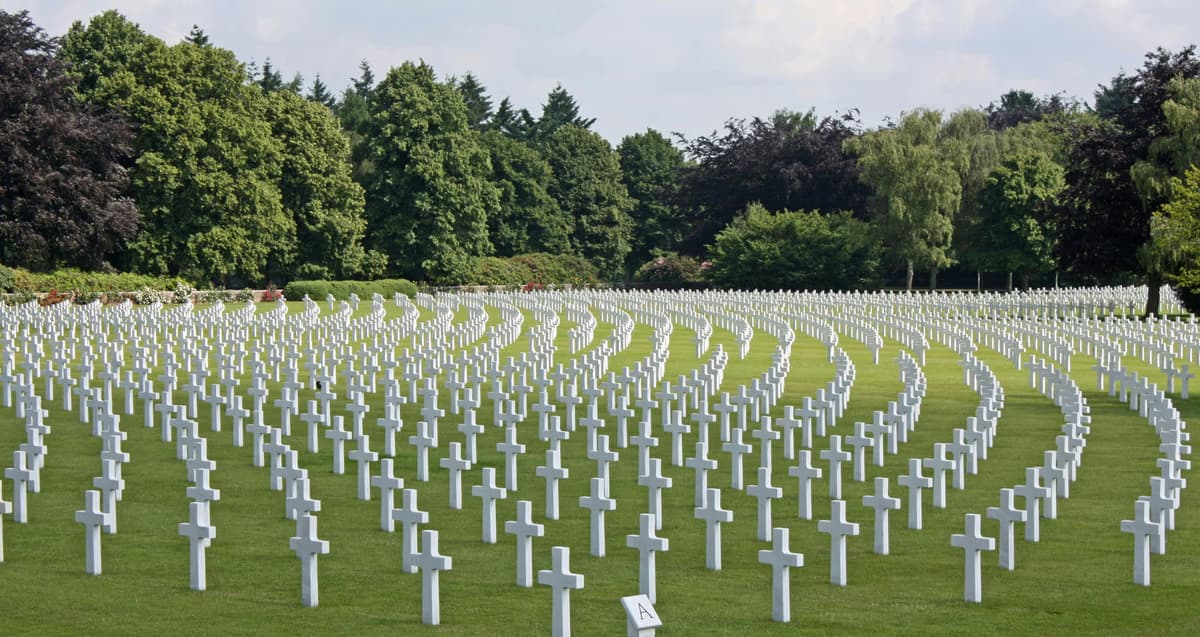
The skeletal remains of 63 Khoi and San individuals have been returned to the earth of their ancestors in a deeply moving reburial ceremony near Steinkopf in the Northern Cape, closing a painful chapter that stretches back more than a century.
Between 1868 and 1924, the remains were taken from the Namaqua region without permission, spirited away by colonial European researchers conducting race-based scientific studies. For generations, these indigenous people were denied the fundamental right to rest in peace on their own soil. The remains had been stored at the Hunterian Museum at the University of Glasgow in Scotland before being repatriated to South Africa last year.
President Cyril Ramaphosa, addressing mourners at the sombre ceremony held on Monday in the rugged Northern Cape landscape, spoke of the deep wounds inflicted by colonialism on the country's first peoples.
"The greatest tragedy of the erasure of the indigenous peoples of southern Africa is that much of it went unacknowledged. As democratic South Africa, we do not linger in the shadow of unspoken apologies or deferred reckonings. We will restore dignity — on our own terms."
The President noted that while some European nations had expressed regret for particular colonial atrocities, most had stopped short of offering comprehensive, unconditional apologies for the full scope of colonialism. He emphasised that returning ancestral remains to descendant communities represented a profound act of restitution rooted in the principle of ubuntu and shared humanity.
Descendants speak of grief and gratitude
Once back on South African soil, the remains were received in a formal welcoming ceremony and placed in the custodianship of the Iziko Museums in Cape Town. They were then transported northward along the N7 national road, handed over officially by the Western Cape to the Northern Cape provincial government. Traditional spiritual rites were observed and a night vigil preceded the formal burial at the Kinderlê monument outside Steinkopf.
National Griqua Council Chairman Barend van Wyk described the deep emotional toll of the ordeal to media, questioning the dehumanising treatment suffered by his forebears. He asked why colonial researchers had treated indigenous people as though they were unworthy of basic human dignity.
"Emotionally, it's hard. The fact that they dug up our ancestors' remains…why did they do that to human beings? Were our people not worthy of being human that they had to be dug up? But we are glad today, although there is pain and hardship, that we can finally reinter them in the land of their birth."
Dionne Barley, a direct descendant of those whose remains were seized, told media she felt profound relief and happiness that her relatives were finally being laid to rest with dignity rather than remaining as exhibits in a foreign institution. She credited President Ramaphosa for ensuring the remains were brought back to their rightful resting place.
Among the most revered attendees was nonagenarian Ouma Katrina Esau, the last fluent speaker of the critically endangered N|uu language and a towering figure in the preservation of indigenous culture. Despite recent ill health, Esau was determined to witness the historic occasion firsthand.
"I did not think I would make it here as I have been so sick. But it was my dream to be here and to be with these people, so that I can also say that I was there, even if it's to bury their bones. I am so very thankful because God protected us. I am very glad to be here."
The repatriation and reburial process was coordinated by the Department of Sport, Arts and Culture together with the South African Heritage Resources Agency and Iziko Museums, marking a significant step in the nation's ongoing journey toward historical justice and reconciliation.
South Africa's indigenous Khoi and San communities continue to fight for recognition of their land rights, cultural heritage, and socioeconomic inclusion, making this reburial a symbolic milestone in that broader struggle. The ceremony could strengthen momentum for further repatriation claims, as thousands of indigenous remains are still held in museums worldwide. For the Northern Cape, one of the country's poorest provinces, renewed attention to indigenous heritage may also support cultural tourism and community development initiatives going forward.