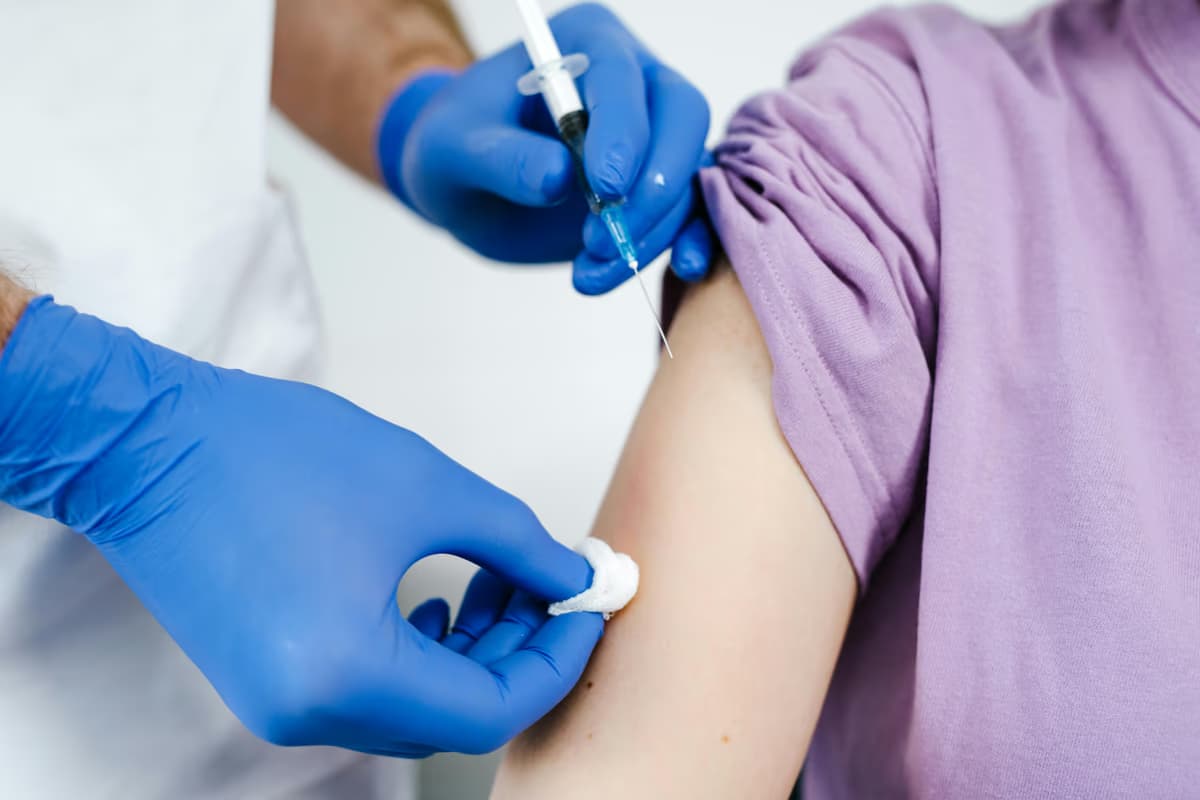

Communal farmers in East Rand receive crucial FMD vaccinations
The national drive to combat Foot and Mouth Disease (FMD) has expanded into Gauteng, with communal livestock farmers in Magagula Heights on the East Rand now receiving vaccinations as part of the government's widening campaign against the highly contagious viral illness.
Agriculture Minister John Steenhuisen and Gauteng MEC for Agriculture and Rural Development Vuyiswa Ramokgopa led the vaccination effort on Saturday, underscoring the significance of reaching communal farming communities in the province's battle against the disease, which targets cloven-hoofed animals.
Ramokgopa highlighted the importance of returning to Magagula Heights, noting that the area was ground zero for the province's first FMD outbreak in April 2025.
"This particular site, Magagula Heights, is a site of communal farming. It is the location where we had our first (FMD) outbreak in Gauteng in April 2025. It's important we are able to return here to assist communal farmers, who are farming in the area… There is important information sharing that we are able to do on site today, which is important in helping us to curb FMD in the province."
The vaccination programme forms a central pillar of government's broader, multi-layered strategy designed to safeguard the country's national livestock herd and bolster food security. Steenhuisen praised the constructive input received from Gauteng, saying the province's advice and feedback had proved invaluable in shaping the national FMD response plan.
The Minister outlined ambitious targets for the campaign, stating the goal is to inoculate 80% of the national herd by December and slash outbreaks by 70%. He explained that the revised strategy would set South Africa on course to achieve the status of an "FMD-free with vaccination country", a milestone that would unlock previously closed international markets for South African red meat exports. Steenhuisen stressed that achieving mass vaccination required collaboration with provincial governments, the private sector, private veterinarians and animal health technicians.
Vaccine supply secured amid misinformation concerns
The Biogénesis Bagó vaccine from Argentina was administered during the Magagula Heights drive, with Steenhuisen noting it had delivered strong results across KwaZulu-Natal and other regions. The batch used formed part of one million doses that arrived the previous week, with an additional one and a half million vaccines from a company called Dollvet also in the pipeline and being readied for provincial distribution.
"The State has budgeted for the payment of vaccines and those payments are processed according to the PFMA [Public Finance Management Act] and I can assure the country and suppliers that we have the money, and we will pay for the vaccines and ensure we have a steady flow of vaccines."
Steenhuisen used the occasion to dispel misinformation circulating within the agricultural sector regarding vaccine payments. He cautioned that failing to honour payments would jeopardise the country's vaccine supply chain and confirmed that all expenditure would adhere to the prescripts of the PFMA and guidance from the Auditor-General. The Minister also reassured farmers that vaccinated cattle remain their property and confirmed that the Dollvet vaccine consignment had been received and would be deployed into the field during the week ahead.
The Department of Agriculture confirmed that the successful importation of the Dollvet FMD vaccines from Turkey, facilitated by authorised agent Dunevax Biotech, demonstrated government's decisive partnership with the private sector to secure a dependable supply of high-potency vaccines in the country's ongoing fight against the disease.
South Africa's livestock sector supports millions of livelihoods, and unchecked FMD outbreaks threaten communal farmers who often lack resources to absorb losses while also endangering the country's red meat export ambitions. Extending vaccinations into Gauteng's communal areas signals a shift toward inclusive disease management, though reaching the 80 percent herd coverage target by December will demand sustained vaccine supply and cross-sector coordination. Success could eventually reopen international markets, strengthening food security and rural economies nationwide.