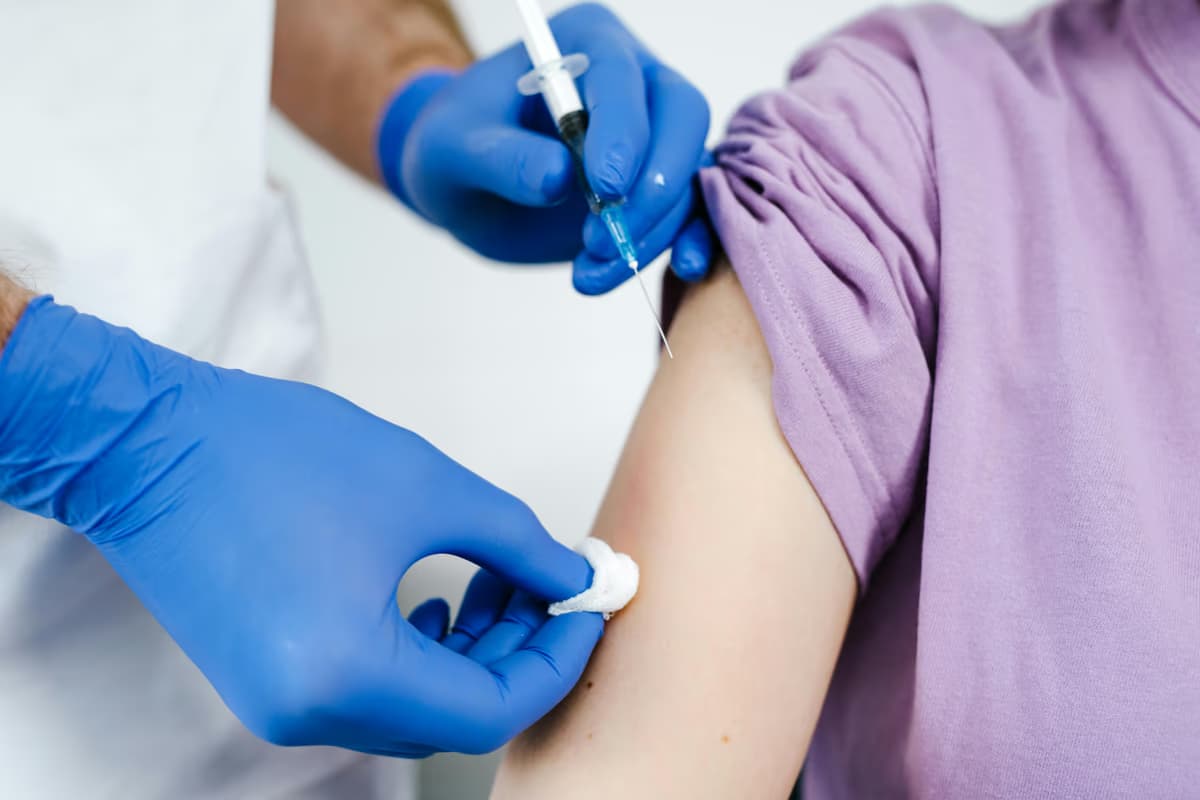

A heated battle is brewing between South Africa's advertising regulator and health advocates over the right to broadcast warnings about the dangers of sugary beverages. The Advertising Regulatory Board (ARB), which receives its funding directly from major corporations including Coca-Cola, PepsiCo and KFC, ordered broadcasters to pull a radio public service announcement in December 2024 — two months after it began airing. The Afrikaans-language advert, produced by health nonprofit Heala, cautioned that fizzy drinks and fruit juice were making children ill, contributing to obesity, heart disease and diabetes, and called for a stronger tax on sugar-sweetened beverages.
The ARB deemed the original advertisement misleading, ruling that it falsely implied any consumption of sugary drinks would inevitably cause disease. The complaint was lodged by a parent who said the advert had led his daughter to believe her school was attempting to poison pupils because fruit juice was served at lunch daily. Heala has since aired a revised version of the advert that includes the word "could" before the health claims, but the organisation has appealed the ruling and plans to challenge it in the Gauteng High Court in Johannesburg in March. "We are being blocked from running a public service announcement or a public health message by a group that is then funded by the very people whose products are being impugned," said Heala programme director Petronell Kruger.
The controversy unfolds against the backdrop of a deepening health crisis in South Africa. Over the past decade, obesity rates among children under five have nearly doubled, while diabetes and other noncommunicable diseases claim a growing share of fatalities. An analysis of more than 700 ARB rulings revealed that the regulator has repeatedly intervened to weaken or challenge public health messaging in advertisements, while simultaneously declining to block adverts for unhealthy products marketed at children. In one instance, the board permitted the use of Barbie branding on sugary chocolate milk packaging, noting its code only restricted character use in television adverts aimed at young children. In another case late in 2025, it ruled in favour of a Coca-Cola campaign featuring South African rugby players, despite complaints that it linked sugary drinks with healthy athleticism.
Questions about conflicts of interest have also emerged regarding the ARB's appeals committees. Among the 14 members are three individuals working for major alcohol companies and two with ties to national and international beverage firms. Martin Neethling, a former PepsiCo South Africa and Pioneer Foods executive who represented the South African Fruit Juice Association in government discussions on juice taxation, sat on the panel that heard Heala's appeal. Kruger said her organisation was unaware of the committee's composition until receiving a Zoom invitation for the hearing. Schimmel said the board would have agreed to a recusal request had one been made.
Parliament is currently considering legislation that would strip the ARB of its authority over health-related advertising and hand it to the Department of Health. The proposed laws would restrict food, tobacco and vape companies from marketing unhealthy products to children. The ARB has lobbied against elements of the proposed regulations, with Schimmel describing evidence for food marketing restrictions as weak and arguing that vaping products should not be regulated in the same manner as traditional tobacco. Public health experts, including Tamryn Frank of the University of the Western Cape and Janet Hoek of New Zealand's University of Otago, maintain that government oversight of health-related advertising would be a more appropriate model for protecting consumers.