Record hikes hit motorists despite fuel levy relief
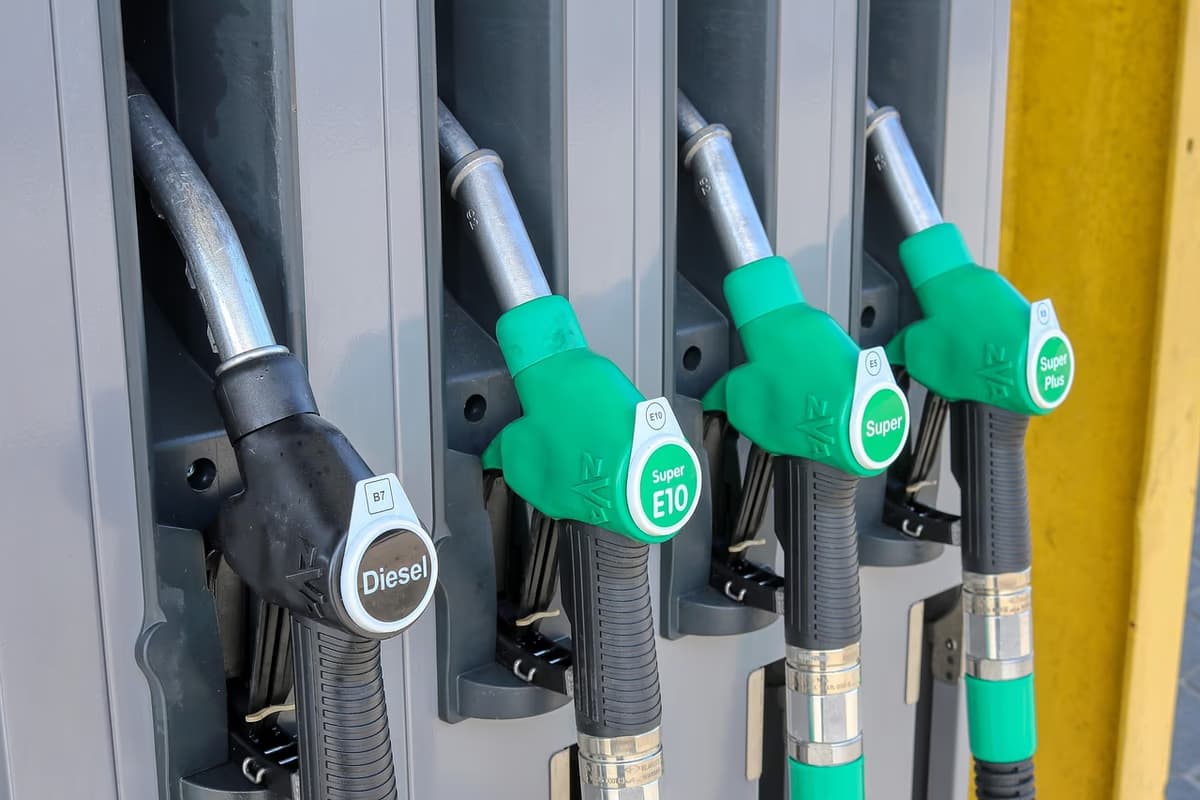
South African motorists face a punishing rise in fuel costs from midnight, with petrol and diesel prices climbing by between R3.06 and R7.51 per litre. The steep adjustments, confirmed by the Department of Petroleum and Mineral Resources, come as geopolitical turmoil in the Middle East continues to send global crude oil prices sharply upward.
In an effort to soften the impact on consumers, government has implemented a temporary R3 reduction in the general fuel levy. However, the underlying price pressures have proven too severe for the relief measure to fully absorb, leaving households and businesses to shoulder significantly higher costs at the pump.
The primary driver behind the increases is a dramatic spike in the international benchmark for crude oil. The average Brent Crude price jumped from US$69.08 to US$93.67 during the review period, fuelled by escalating hostilities between the United States and Iran that have disrupted supply routes, particularly through the strategically vital Strait of Hormuz.
"The average international product prices followed the increasing trend of crude oil price. These factors led to higher contributions to the Basic Fuel Prices of petrol, diesel and illuminating paraffin by R5.26 per litre, R9.49 per litre and R10.80 per litre, respectively."
The department further noted that propane and butane prices held steady over the same period, as demand eased with the shift to warmer weather in the Northern Hemisphere. Nonetheless, shipping expenses climbed due to the ongoing conflict in the region, adding further strain to the supply chain.
Weaker rand compounds fuel cost burden
Adding to the pressure, the South African rand lost ground against the US dollar, sliding from R16.00 to R16.64 per dollar during the review period. This depreciation pushed up the basic fuel prices of petrol, diesel and illuminating paraffin by 56.18 cents, 78.07 cents and 83.21 cents per litre respectively.
"This is due to the continued tension between the US and Iran, which has affected crude oil supply, especially through the Strait of Hormuz."
The full breakdown of the new prices reveals the extent of the blow. Both grades of petrol — 93 and 95 unleaded — will increase by R3.06 per litre. Diesel with 0.05% sulphur content rises by R7.37 per litre, while the lower-sulphur 0.005% variant climbs R7.51 per litre. Illuminating paraffin sees the sharpest wholesale jump at R11.67 per litre, with the single maximum national retail price surging by R15.60 per litre. LPGas increases by R1.08 per kilogram nationally, with Western Cape consumers facing a slightly steeper hike of R1.23 per kilogram.
The substantial diesel and paraffin increases are expected to ripple through the broader economy, pushing up transport and logistics costs that ultimately feed into the prices of food and essential goods. Economists have warned that the combination of elevated oil prices and a weakening currency could keep fuel costs under sustained pressure in the months ahead, placing further strain on already stretched household budgets across the country.
South Africa's heavy reliance on road freight means diesel price surges cascade rapidly into food, medicine, and manufacturing costs, disproportionately burdening low-income households already contending with elevated living expenses. Small transport operators and farming enterprises face squeezed margins that could trigger layoffs or service reductions in vulnerable communities. Should Middle East tensions persist and the rand remain under pressure, further fuel adjustments may follow, raising the prospect of sustained inflationary strain across the broader economy in coming months.