Temporary relief to soften blow of record fuel hikes
South Africans will receive some respite from devastating fuel price increases after Finance Minister Enoch Godongwana confirmed a temporary R3 per litre reduction in the fuel levy, effective from 1 April. The emergency fiscal intervention is designed to cushion households and businesses against what the Minister described as a significant economic shock triggered by surging global oil prices linked to escalating geopolitical tensions in the Middle East.
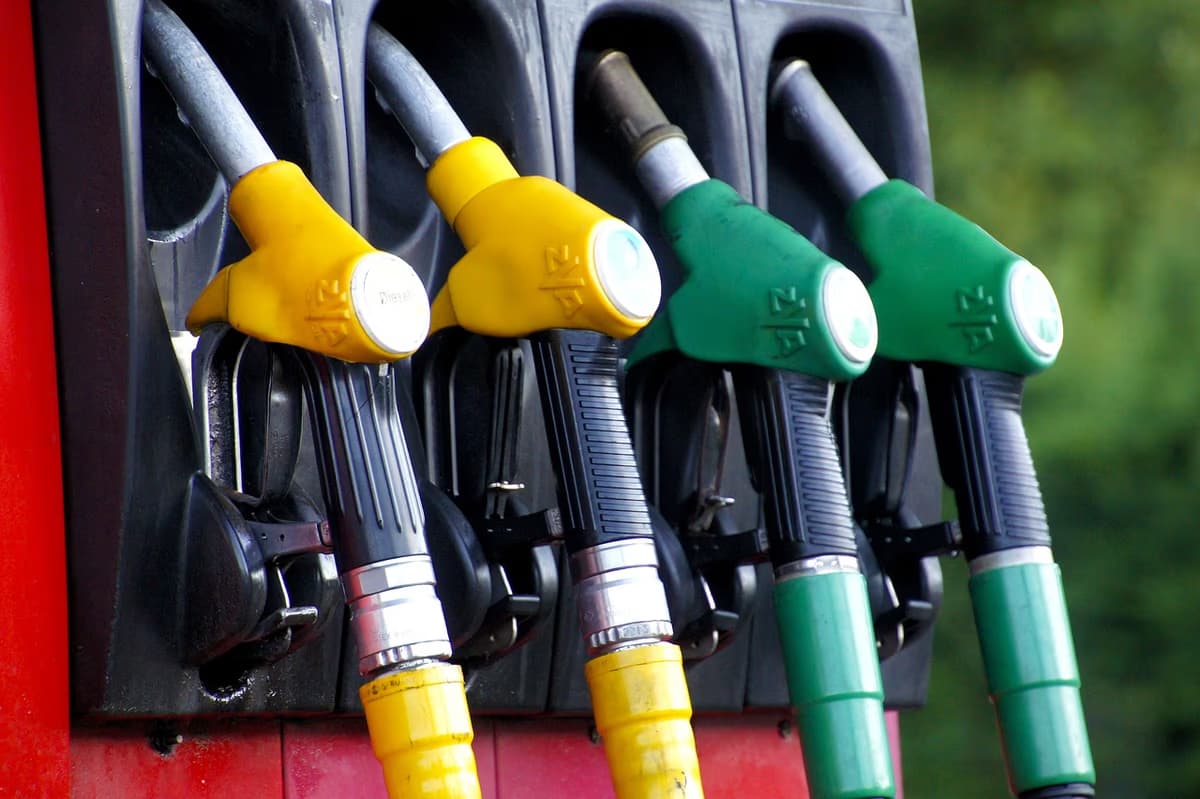
The relief measure comes as petrol prices across all grades are set to jump by R3.06 per litre on Wednesday, while diesel faces even steeper increases of between R7.37 and R7.51 per litre. Without the government's intervention, motorists would have been hit with petrol hikes exceeding R5 per litre, with diesel climbing even further.
"We are aware that developments in the Middle East and their impact on oil prices are likely to affect our economy. We discussed different models and had to arrive at one that is affordable within the current fiscal environment."
Godongwana, who was speaking to media on the sidelines of the South Africa Investment Conference on Tuesday, explained that authorities had been tracking rising Middle East tensions and their effect on global oil markets with growing concern. The government ultimately opted for the R3 per litre adjustment on both petrol and diesel through a temporary cut to the general fuel levy as the most fiscally responsible option available.
Diesel costs pose broader economic threat
While the intervention will run for one month initially, the Minister acknowledged that consumers will still feel the pinch despite the cushion. He indicated that the situation remains under active review, with assessments planned for May and June. The temporary measure alone carries a hefty price tag of approximately R6 billion in lost revenue for the national fiscus.
Godongwana singled out diesel prices as a particular area of worry, given the fuel's outsized role in powering the broader economy. He noted that fluctuations in diesel costs have a cascading effect on food prices, fertiliser and transport expenses that ultimately burden ordinary South Africans.
"The diesel sector powers the economy, and changes in diesel prices affect everything – food, fertiliser and transport costs."
An interdepartmental team has been assembled to investigate additional interventions beyond purely fiscal measures, the Minister revealed, with the aim of mitigating knock-on effects across critical economic sectors. However, he was candid about the limits of government's capacity to absorb the shock over an extended period.
"This is a shock to the economy and a blow. Government can mitigate the effects for a specific period, but we cannot sustain it for longer without collapsing the tax system."
Any extension of the relief would likely be capped at a maximum of three months, Godongwana said, depending on how global conditions evolve. He emphasised that South Africa is far from alone in confronting these pressures, noting that nations around the world are wrestling with rising energy costs driven by geopolitical instability. Asked whether the country faces a potential recession, the Minister said it remains premature to sound that alarm.
South African households and businesses face mounting pressure as diesel-driven cost increases ripple through supply chains, raising prices for food, transport and agricultural inputs. The R6 billion revenue sacrifice underscores the fiscal strain on government, limiting how long relief can last. With global oil markets tied to unpredictable geopolitical developments, the coming months will prove critical in determining whether further interventions are needed or whether the economy absorbs a prolonged shock.