Producers demand urgent action over diplomatic promises
South Africa's agricultural sector has responded with caution and concern following the signing of a bilateral cooperation agreement between the country and Germany aimed at tackling foot-and-mouth disease (FMD). While the principle of international collaboration has been broadly welcomed, several farming organisations have warned that the deal falls short of addressing the immediate devastation being experienced by livestock producers across the nation.
Free State Agriculture (FL) has been particularly vocal in its criticism, arguing that the partnership fails to confront the pressing realities facing the sector. Francois Wilken, the organisation's president, said the country is grappling with a protracted crisis that has already inflicted severe damage on farming operations.
"South Africa is in the middle of a long-lasting crisis which has already caused serious disruptions in the movement of livestock, market access and the financial sustainability of producers. The situation requires immediate, practical interventions, not long-term diplomatic initiatives."
Wilken drew a sharp distinction between conditions in Germany's livestock industry and the challenges confronting South African producers. He noted that the country is contending with active outbreaks spanning multiple provinces, a complex wildlife-livestock interface, and a state veterinary service hamstrung by severe capacity shortages. The organisation cautioned that the agreement risks channelling valuable time and resources into knowledge-sharing programmes and policy dialogue when what farmers need most urgently is concrete, on-the-ground support.
FL called on government to prioritise homegrown solutions, including widespread vaccination campaigns, the establishment of an effective animal identification system, improved livestock movement controls, and reinforced border security. Without the rapid availability of vaccine, the organisation stressed, there is no realistic prospect of bringing FMD under effective control.
mRNA vaccine plans spark fierce opposition
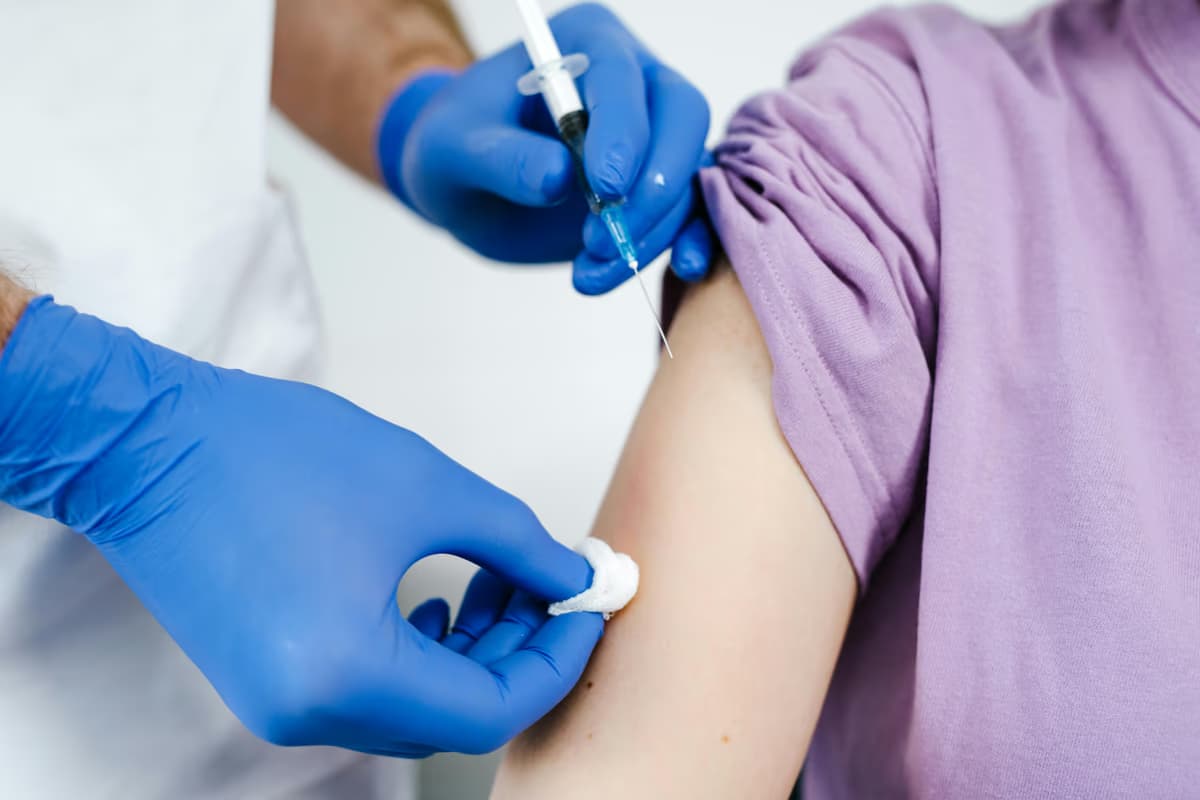
Agricultural organisation Saai, meanwhile, has raised strong objections to a specific element of the cooperation declaration — the potential deployment of mRNA vaccine technology for livestock. The group warned that both producers and consumers would resist such a move, citing unresolved questions about the long-term safety of the technology.
"Most South African cattle producers and consumers will offer strong resistance to the introduction of mRNA vaccine into herds across South Africa. Farmers and consumers have the right to know exactly which technologies are introduced into the food production system."
Saai argued that introducing mRNA-based vaccines into the food production chain could severely undermine consumer confidence at a time when trust in the agricultural system is already under strain. The organisation maintained that the long-term safety profile of the technology has not been sufficiently established to justify its rollout in the livestock sector.
The bilateral agreement was signed by Agriculture Minister John Steenhuisen and his German counterpart, Federal Agriculture Minister Alois Rainer. The joint declaration of intent covers several areas of cooperation, including knowledge exchange, FMD surveillance in wildlife populations, novel immunisation technologies, research collaboration, and risk management frameworks. Steenhuisen indicated that the partnership could yield longer-term benefits for trade relations and technological advancement within South Africa's agricultural sector, though critics remain unconvinced that it will deliver the rapid relief producers so desperately require.