Legal tussle intensifies over fate of Melchizedek occupants
The Democratic Alliance has thrown its weight into the escalating legal dispute over the planned removal of hundreds of residents from illegally occupied buildings in Pretoria, forcing a postponement of court proceedings until April.
The intervention came as the Tshwane metropolitan municipality sought to press ahead with relocating approximately 450 people living in structures it has deemed dangerously unfit for human habitation. The metro issued an eviction order on 3 March, giving occupants just seven days to vacate the premises.
Municipal authorities had identified a temporary resettlement site in Gezina, situated at the intersection of Nico Smith Street and Johan Heyns Drive, as the destination for displaced residents. However, the plan drew swift opposition from multiple quarters, setting the stage for a protracted courtroom struggle.
Competing legal challenges and structural safety disputes
Business owners and property holders in the Gezina area, alarmed by the potential impact on their livelihoods and investments, enlisted the help of civil rights organisation AfriForum. The group sought an urgent temporary interdict to block the relocation, but the court dismissed the bid on procedural grounds, ruling it did not satisfy the criteria for an urgent application.
In a parallel move, Lawyers for Human Rights filed an urgent appeal on behalf of the building occupants, challenging the original eviction order in the Court of Appeal. Under ordinary circumstances, such an appeal would automatically stay the eviction. The metro, however, countered with a rule 18(3) application in the Pretoria High Court earlier in the week, seeking permission to proceed with the removal while the appeal remains pending.
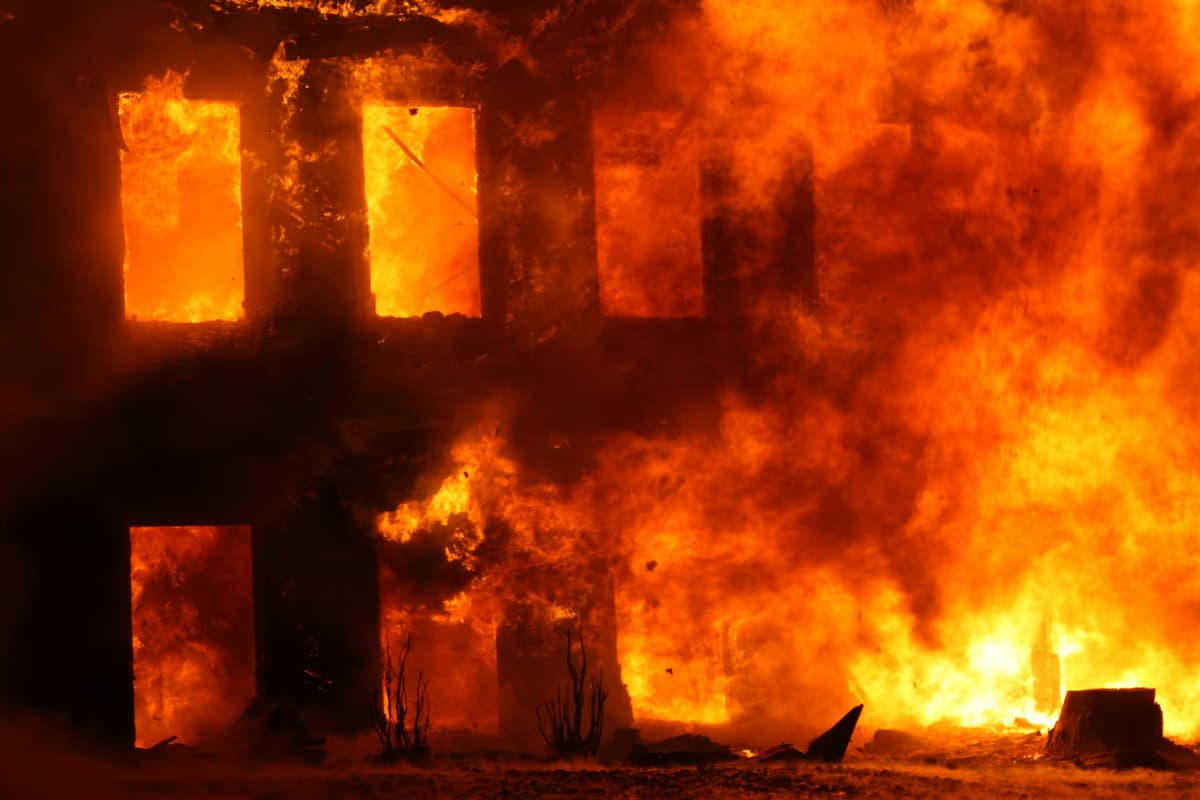
"The building remains life-threatening," the metro maintained in its application, arguing that delays in relocating residents could have fatal consequences.
Lawyers for Human Rights has pushed back firmly against these claims, contending that the structures remain sufficiently sound from a structural perspective. The organisation has also raised serious concerns about the suitability of the proposed temporary settlement for the affected families.
"There is no evidence that the buildings will structurally collapse at any moment," the residents argued through an independent expert they had commissioned to assess the premises.
The matter had been set down for Thursday, with parties expected to present evidence. However, the DA's formal application to be admitted as a party to the proceedings prompted the court to reschedule the hearing for April. Additional interested parties have been given until 31 March to file their own applications to join the case, potentially broadening the scope of an already complex legal contest.
South Africa's ongoing urban housing crisis is underscored by this dispute, as hundreds of vulnerable residents face displacement while questions persist about both building safety and the adequacy of proposed resettlement. For Pretoria businesses near the Gezina site, the outcome could reshape local property values and commercial activity. With multiple parties now joining the legal proceedings and the April hearing approaching, the case may set significant precedent for how municipalities handle informal occupations and emergency relocations nationwide.